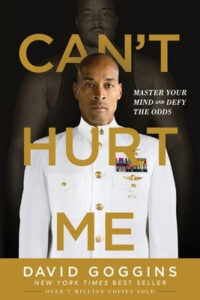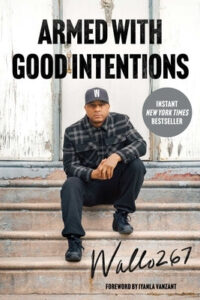
Choosing the right educational books is a powerful way to support an incarcerated loved one. Books help inmates learn new skills, stay productive, and prepare for life after release.
Educational books can support goals like finishing school, learning a trade, improving finances, or finding employment. They offer long-term value both inside and outside of prison.
However, correctional facilities have strict rules about book content, format, and delivery. Understanding these rules helps ensure books are accepted and delivered successfully.
This guide by Sending Books to Inmates highlights the best educational books to send to inmates and how they support learning and personal growth.
Why Educational Books Matter for Inmates
Education supports growth and rehabilitation. Educational books help inmates keep learning while incarcerated.
They can help inmates:
- Improve reading and writing
- Prepare for exams
- Learn new skills
- Build job skills
- Gain confidence
- Plan for release
Educational books encourage positive habits and long-term change. They are also a meaningful way for families to offer support.
Best Educational Books for GED Preparation
GED books are ideal for inmates working toward a high school equivalency.
They usually cover:
- Math
- Science
- Social studies
- Reading
- Writing
- Practice tests
These guides offer structured lessons and self-paced learning.
Always choose updated editions and confirm they are allowed by the facility.
Best Educational Books for Basic Skills Development
Basic skills books help strengthen everyday learning abilities.
Common topics include:
- Reading improvement
- Writing basics
- Vocabulary
- Communication
- Math fundamentals
These books build confidence and prepare readers for more advanced learning.
Best Educational Books for Career Development
Career books help inmates prepare for jobs after release.
They often include:
- Resume writing
- Interview skills
- Workplace communication
- Job search tips
- Career planning
These books provide practical skills that can be used immediately after incarceration.
Best Educational Books for Vocational Skills
Vocational books teach hands-on trade skills such as:
- Automotive repair
- Construction
- Electrical work
- Plumbing
- Carpentry
- Welding
They introduce practical knowledge that can lead to future job opportunities.
Always check facility rules before sending trade-related materials.
Best Educational Books for Financial Literacy
Financial books teach important money management skills like:
- Budgeting
- Saving
- Credit basics
- Expense tracking
- Financial planning
These skills help build independence and long-term stability.
Best Educational Books for Business and Entrepreneurship
Business books are great for inmates interested in starting a future career or business.
They cover:
- Business planning
- Marketing basics
- Leadership
- Sales
- Entrepreneurship
These books encourage creativity and long-term thinking.
Best Educational Books for Language Learning
Language books help improve communication skills.
They include:
- English learning guides
- Grammar books
- Vocabulary builders
- Practice workbooks
Stronger communication skills support education and employment goals.
Best Educational Books for Personal Development
Personal development books focus on life skills such as:
- Critical thinking
- Decision-making
- Communication
- Leadership
- Problem-solving
These skills support better choices and personal growth.
How to Choose the Best Educational Books to Send
Consider Learning Goals
Match books to what the inmate wants to achieve, such as education, career, or financial goals.
Consider Reading Level
Choose books that are easy to understand and appropriate for the reader’s ability.
Choose Practical Content
Look for books with exercises, examples, and step-by-step guidance.
Think Long-Term
Pick books that provide skills useful after release.
Check Prison Book Policies Before Ordering
Each facility has different rules for books.
Prison Book Policies help you understand:
- Approved vendors
- Allowed formats
- Content restrictions
- Shipping rules
Checking rules first helps avoid rejected deliveries.
Use Book Policy Guard Before Sending
Book Policy Guard helps confirm whether a book is allowed before shipping.
It checks:
- Eligibility
- Format rules
- Content restrictions
- Facility policies
This reduces the risk of delivery issues.
Sending Books to Inmates Made Easier
Sending Books to Inmates helps families choose and send approved reading materials more easily.
It supports learning, skill-building, and personal growth while following facility rules.
Common Mistakes When Choosing Educational Books
Avoid these mistakes:
- Ignoring facility rules
- Sending restricted formats
- Using unapproved sellers
- Entering incorrect inmate details
- Not checking book eligibility
Careful checking improves delivery success.
Tips for Choosing Meaningful Educational Books
Choose books that:
- Teach useful skills
- Support education
- Improve job opportunities
- Build confidence
- Encourage growth
- Prepare for release
The right book can have lasting impact.
Frequently Asked Questions
What are the best educational books for inmates?
GED books, vocational guides, financial literacy books, career resources, and personal development books are most popular.
Are educational books allowed in prisons?
Yes, but rules vary by facility. Always check first.
Can educational books help inmates?
Yes. They support learning, skill-building, and rehabilitation.
What topics are most useful?
Education, job skills, finance, communication, and personal growth.
How do I ensure a book is accepted?
Check prison policies and use Book Policy Guard.
Contact Us
If you have any other questions or queries related to our services, feel free to contact us at:
- Phone: (708) 856-0657
- Email: info@correctionsbookstore.com
- Website: sendingbookstoinmates.com
We’re here to serve you.
Conclusion
Educational books are a valuable way to support inmates’ learning and future success. They help build skills, confidence, and opportunities for life after release.
From GED preparation to career and financial education, the right books can make a real difference.
Always check facility rules and verify book eligibility before sending. Tools like Prison Book Policies and Book Policy Guard can help ensure smooth delivery.
Sending Books to Inmates makes it easier for families to provide meaningful educational support.