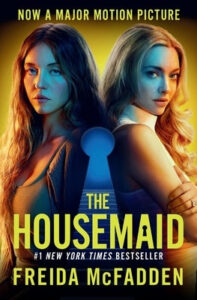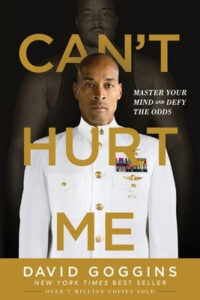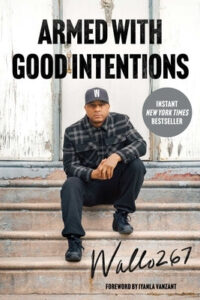
Choosing books for an incarcerated loved one requires more than selecting an interesting title. Prison approved books must meet facility rules for content, format, source, and delivery.
Even appropriate books may be rejected if they violate these guidelines. This guide explains what to buy, what to avoid, and how to reduce delays when sending books to inmates.
What Are Prison Approved Books?
Prison approved books are reading materials that meet the requirements set by correctional facilities.
These requirements can vary depending on the institution, but they often address:
- Book content
- Book format
- Approved sellers
- Shipping procedures
- Security concerns
The purpose of these rules is to maintain facility safety while still allowing access to educational, recreational, and personal development materials.
Because every correctional facility may have different policies, it is important to verify requirements before ordering.
Why Checking Book Approval Rules Matters
Many families assume that any regular book can be sent to an inmate. However, correctional facilities often have strict guidelines.
A book may be rejected because of:
- Prohibited content
- Incorrect format
- Unapproved source
- Facility-specific restrictions
- Missing inmate information
Choosing prison approved books before ordering helps prevent disappointment and unnecessary delays. Taking time to review requirements can make the delivery process much easier.
What Types of Prison Approved Books Can You Buy?
Many types of books may be accepted when they meet facility requirements.
The most commonly requested categories include:
Educational Books
Educational materials are among the most valuable books for inmates.
Popular educational choices include:
- GED preparation guides
- Language learning books
- Science books
- History books
- Mathematics books
- Study guides
Educational books can help inmates continue learning and develop skills that may support future goals.
When selecting educational materials, choose updated books that provide clear explanations and practical learning opportunities.
Self Improvement Books
Self-improvement books are popular because they encourage personal growth and positive thinking.
Examples of useful topics include:
- Building better habits
- Goal setting
- Communication skills
- Emotional intelligence
- Discipline
- Personal responsibility
Many families choose self-improvement books because they provide lessons that readers can apply during incarceration and after release.
Motivational Books
Motivational books can provide encouragement during challenging periods.
Popular themes include:
- Overcoming adversity
- Building confidence
- Developing resilience
- Creating positive change
- Finding purpose
The best motivational prison approved books provide realistic guidance and practical lessons rather than simple inspiration.
Career and Vocational Books
Career-focused books can help inmates prepare for employment after release.
Useful options include:
- Resume writing guides
- Interview preparation books
- Business books
- Trade manuals
- Workplace skill guides
Career books can support successful reentry by helping readers develop knowledge and confidence before returning to the workforce.
Fiction and Novels
Many inmates enjoy fiction because novels provide entertainment, imagination, and relaxation.
Commonly accepted fiction categories may include:
- Classic literature
- Mystery novels
- Adventure stories
- Historical fiction
- Inspirational fiction
Popular examples include:
- “The Count of Monte Cristo” by Alexandre Dumas
- “The Alchemist” by Paulo Coelho
- “To Kill a Mockingbird” by Harper Lee
However, always verify whether a specific title meets the facility’s requirements.
Puzzle and Activity Books
Puzzle books can provide productive entertainment and mental exercise.
Popular choices include:
- Sudoku books
- Crossword puzzle books
- Word search books
- Logic puzzle books
- Brain teaser collections
These materials can encourage focus, patience, and problem-solving skills.
What Books Should You Avoid Sending to Inmates?
While many books can provide educational or recreational value, some materials may be rejected by correctional facilities.
When choosing prison approved books, avoid titles that may contain restricted material.
Books With Violent or Graphic Content
Books containing excessive violence, graphic descriptions, or disturbing imagery may face restrictions.
Always review content before ordering.
Books With Security Concerns
Some facilities may restrict books that include:
- Escape instructions
- Security information
- Criminal activity instructions
- Methods of creating weapons or prohibited items
The goal is to avoid materials that create safety concerns.
Books With Explicit Sexual Content
Books containing explicit sexual material are commonly restricted.
Even fictional books may be rejected if they contain prohibited content.
Hardcover Books When Not Allowed
Some facilities restrict hardcover books because of security concerns. Many institutions prefer or require paperback books.
Before ordering, confirm whether hardcover, paperback, or other formats are accepted.
Used Books From Unapproved Sources
Some correctional facilities only accept books shipped directly from approved sellers. Sending used books from personal collections may result in rejection.
Always check whether the facility requires books to come from specific sources.
Check Prison Book Policies Before Ordering
Before purchasing prison approved books, families should review facility requirements.
Prison Book Policies help users understand important details such as:
- Approved vendors
- Accepted formats
- Content restrictions
- Shipping rules
- Facility-specific guidelines
Because rules can change and vary between institutions, checking current policies before ordering is an important step.
This preparation helps families choose books that have a better chance of being accepted.
Use Book Policy Guard Before Sending Books
Finding the right book is only one part of the process. Confirming eligibility before shipment can save time and prevent problems.
Book Policy Guard helps verify whether selected books meet correctional facility requirements.
It can help identify possible concerns related to:
- Book eligibility
- Format restrictions
- Content requirements
- Facility rules
Using Book Policy Guard provides an additional level of confidence when selecting prison approved books for inmates.
Sending Books to Inmates Made Easier
Sending Books to Inmates helps families and friends provide meaningful reading materials while navigating correctional facility requirements.
The process of choosing prison approved books can feel complicated, especially when every facility follows different guidelines.
With the right information, families can select books that support:
- Education
- Personal growth
- Career preparation
- Entertainment
- Positive activities
A carefully chosen book can provide knowledge, motivation, and comfort during incarceration.
Common Mistakes When Buying Prison Approved Books
Avoid these common mistakes when selecting books for inmates:
Not Checking Facility Rules
A book accepted at one facility may not be accepted at another.
Always confirm current requirements.
Choosing Books Without Reviewing Content
Even popular books may contain restricted material.
Review descriptions and content before ordering.
Sending Incorrect Information
Incorrect inmate details can delay delivery.
Always confirm:
- Full inmate name
- Identification number
- Facility address
Ignoring Format Requirements
Some facilities only accept certain formats.
Check whether paperback, hardcover, or other formats are allowed.
Tips for Choosing the Right Prison Approved Books
The best books are those that match the reader’s interests and goals.
Consider choosing books that:
- Teach useful skills
- Encourage learning
- Provide positive entertainment
- Support personal development
- Match reading level
- Follow facility rules
A meaningful book can become a valuable resource throughout incarceration.
Frequently Asked Questions
What makes a book prison approved?
A prison approved book meets correctional facility requirements for content, format, source, and delivery procedures.
Can I send any paperback book to an inmate?
Not always. Facilities may have restrictions on content, vendors, and specific formats.
Are educational books usually accepted?
Many educational books are accepted, but approval depends on the individual facility’s rules.
Are novels considered prison approved books?
Many novels are allowed, especially classic and appropriate fiction, but each facility may have different guidelines.
How can I check if a book is approved?
Review Prison Book Policies and use Book Policy Guard when available to help verify book eligibility.
Contact Us
If you have any other questions or queries related to our services, feel free to contact us at:
- Phone: (708) 856-0657
- Email: info@correctionsbookstore.com
- Website: sendingbookstoinmates.com
We’re here to serve you.
Conclusion
Choosing prison approved books takes planning, but the right materials can support learning, personal growth, and positive engagement.
Before sending a book, check facility rules, confirm eligibility, and provide accurate inmate information. Resources like Prison Book Policies, Book Policy Guard, and Sending Books to Inmates can help families choose and send books with confidence.