

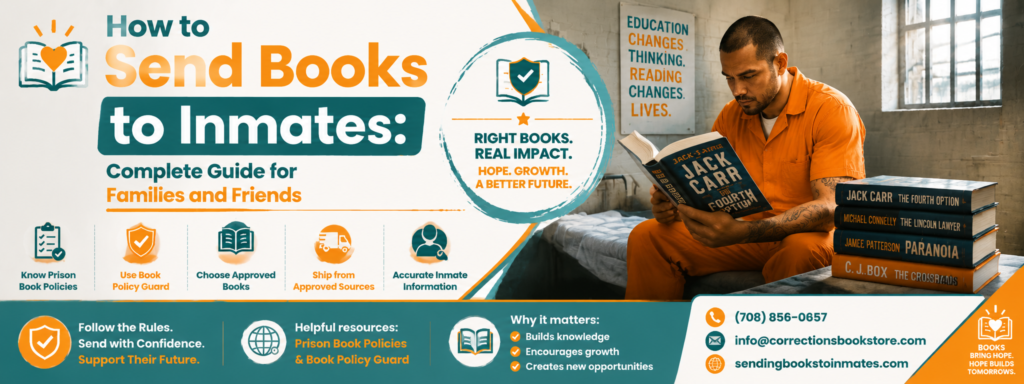
Sending books to inmates is one of the most meaningful ways to support incarcerated loved ones, providing education, entertainment, and emotional encouragement. However, if it’s your first time navigating the process, it can feel complicated. Every correctional facility has strict rules about sending books to inmates, including approved vendors, shipping methods, content restrictions, and packaging requirements.
This first-time guide will explain everything you need to know about sending books, ensuring your books reach the intended recipient without unnecessary delays or rejections. Whether your loved one is in a federal, state, or county facility, understanding the rules and using trusted resources will make the process much easier when sending books to prisoners.
Why Sending Books to Inmates Matters
Books are more than just reading material in prison, they are a lifeline. They provide:
- Educational opportunities: Inmates can study for GEDs, college courses, or vocational skills.
- Emotional support: Reading reduces feelings of isolation and creates a connection to the outside world.
- Rehabilitation support: Positive, educational, and motivational books encourage self-reflection and personal growth.
- Entertainment and stress relief: Books offer mental escape and reduce anxiety during incarceration.
By carefully sending books to inmates, families and friends can make a real difference in an inmate’s life, especially when consistently sending books to inmates over time.
Understanding Prison Rules Before Sending Books
The first rule of sending books to inmates is understanding that every facility has its own regulations. Failing to follow rules can result in rejected or returned shipments. Key factors to consider include:
1. Approved Vendors
Most prisons require books to come directly from approved vendors. Examples include:
- Publishers
- Authorized bookstores
- Platforms like Sending Books to Inmates
Shipping books from a personal address is often prohibited and can result in the package being denied when sending books to inmates.
2. Book Formats
Facilities often have restrictions on book formats:
- Paperback books are usually preferred
- Hardcover books may be restricted for security reasons
- Spiral-bound, audio, or interactive books may be prohibited
Always check the facility’s rules before selecting books when sending books to inmates.
3. Content Restrictions
Correctional facilities restrict certain types of content. Commonly prohibited material includes:
- Explicit adult content
- Gang-related publications
- Security-sensitive information
- Books on violence or illegal activity
Using Prison Book Policies helps first-time senders verify which books are acceptable for specific facilities when sending books to inmates.
4. Quantity and Packaging
Some facilities limit how many books an inmate can receive at a time. Packages must also be properly labeled and packaged according to the facility’s rules when sending books to inmates.
What You Need Before Sending Books
Before sending books to inmates, gather complete inmate information:
- Full legal name: No nicknames or abbreviations.
- Inmate ID number: Usually required to ensure delivery to the correct individual.
- Facility name and address: Include unit or housing details if required.
- Approved vendor information: Make sure the books are shipped through an authorized source.
Accurate information is critical to avoid delays or lost shipments when sending books to inmates.
Choosing the Right Books
Selecting appropriate books is essential for first-time senders:
- Educational books: Textbooks, vocational guides, GED prep material.
- Self-help and motivational books: Encourage personal growth and rehabilitation.
- Religious or spiritual books: Accepted in many facilities if from approved vendors.
- Fiction: Certain approved novels provide entertainment while maintaining compliance.
Avoid books that may contain restricted content. Tools like Book Policy Guard can help confirm that your selected books meet facility requirements before shipping when sending books to inmates.
Step-by-Step Guide for First-Time Senders
Here is a practical guide for first-time senders:
Step 1: Verify Facility Rules
Check the prison’s mail policy using Prison Book Policies. Confirm:
- Approved vendors
- Allowed book formats
- Content restrictions
- Package limitations
Step 2: Select Approved Books
Choose books that comply with the facility’s rules. Confirm eligibility with Book Policy Guard if available when sending books to inmates.
Step 3: Use an Approved Vendor
Place your order with a trusted source like Sending Books to Inmates, which ensures proper processing and shipping directly to the facility.
Step 4: Label the Package Correctly
Include all required inmate information and your return address. Improper labeling is a common reason for rejected packages when sending books to inmates.
Step 5: Track the Shipment
Whenever possible, use tracking to monitor the delivery progress. Tracking helps resolve potential issues and confirms successful delivery when sending books to inmates.
Common Mistakes First-Time Senders Make
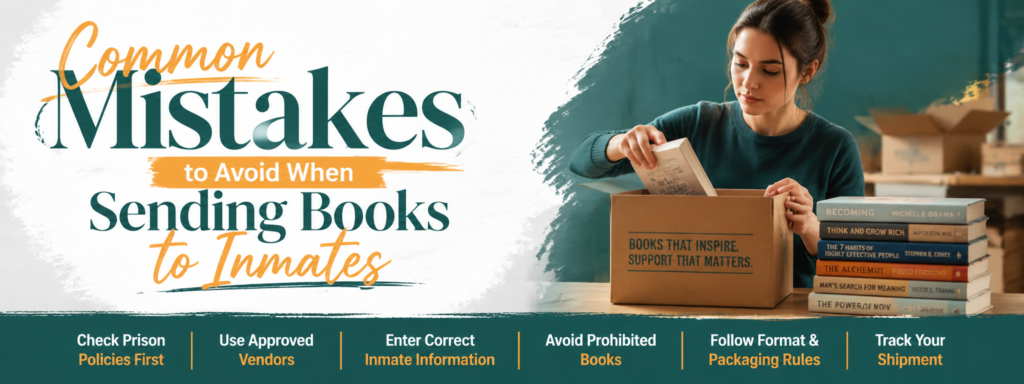
Even experienced families occasionally make mistakes. First-time senders are particularly vulnerable to:
- Using the wrong inmate ID or facility address
- Sending unapproved book formats or content
- Mailing books directly from home instead of through an approved vendor
- Overlooking facility-specific rules or quantity limits
Following this guide and using trusted resources reduces the risk of rejection when sending books to inmates.
Tips for Smooth Delivery
- Plan ahead: Allow extra time for shipping, especially during holidays or lockdowns.
- Verify policies: Facility rules can change, so always double-check before sending books.
- Use compliance tools: Platforms like Book Policy Guard make first-time sending easier.
- Keep records: Save receipts and tracking information for reference.
These steps ensure that your first-time experience is smooth and successful when sending books to inmates.
Benefits of Using Sending Books to Inmates
Using a trusted platform like Sending Books to Inmates simplifies the entire process for first-time senders:
- Access to pre-approved books and vendors
- Step-by-step guidance on facility compliance
- Reduced risk of delays or rejections
- Streamlined ordering, shipping, and tracking
This makes sending books to inmates easier and more reliable, giving families peace of mind.
Contact Us
If you have any other questions or queries related to our services, feel free to contact us at:
- Phone: (708) 856-0657
- Email: info@correctionsbookstore.com
- Website: sendingbookstoinmates.com
We’re here to serve you.
Conclusion
Sending books to inmates for the first time may seem daunting, but with the right preparation, it is a manageable and rewarding process. Understanding facility rules, selecting approved books, verifying compliance with tools like Book Policy Guard, and using trusted vendors like Sending Books to Inmates ensures that your effort provides education, emotional support, and personal growth for incarcerated loved ones.
By following this first-time guide, you can confidently send books to inmates while avoiding common pitfalls and delays. Sending books is not just about delivering reading material, it’s about connecting, supporting rehabilitation, and offering hope for a brighter future.