
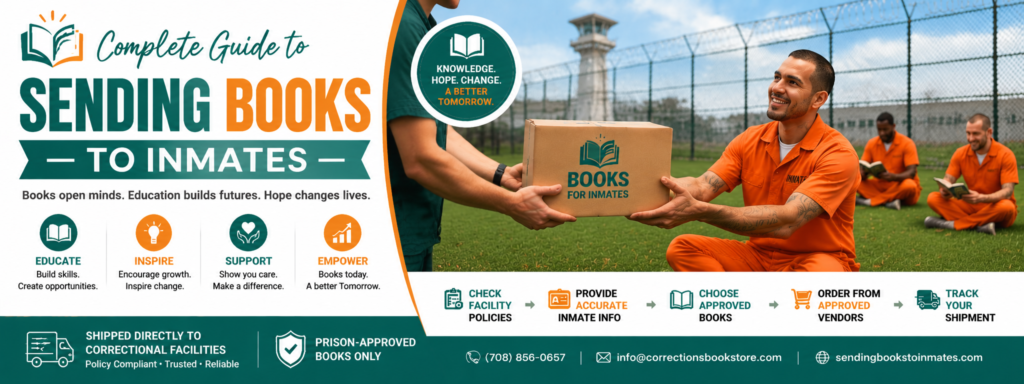
Sending books to inmates is one of the most meaningful ways to support incarcerated individuals during their time in prison. Books provide education, inspiration, personal growth opportunities, and a healthy escape from the challenges of incarceration. Whether you are a family member, friend, educator, or advocate, understanding the process of sending books to inmates can help ensure that your shipment arrives successfully and complies with facility regulations.
Many correctional institutions encourage ordering books for inmates because reading supports rehabilitation, improves literacy skills, and helps individuals prepare for life after release. However, every facility has its own policies regarding sending books to prisoners, making it important to understand the rules before placing an order.
At Sending Books to Inmates, our mission is to simplify the process by helping families and friends find prison-approved books that can be shipped directly to correctional facilities across the United States.
Why Sending Books to Inmates Is Important
Books can have a lasting impact on an individual’s life. Books offer educational opportunities, emotional support, and personal development during incarceration. Access to reading materials allows inmates to continue learning, develop new skills, and stay mentally engaged.
Many organizations dedicated to sending books to prisoners have reported that books are among the most requested items within correctional facilities. Educational resources, self-help guides, vocational training materials, religious texts, and recreational reading can all contribute to positive outcomes for incarcerated individuals.
By ordering books for inmates, families and friends can demonstrate support while encouraging growth, learning, and rehabilitation.
Understanding Prison Policies for Sending Books to Inmates
Before sending books to prisoners, it is essential to review the specific mail policies of the correctional facility. Rules vary significantly between state prisons, federal prisons, county jails, and private correctional institutions.
Common regulations regarding sending books to inmates include:
- Books must be shipped directly from an approved retailer or publisher.
- Hardcover books may be prohibited.
- Certain content may be restricted.
- Books must be new and unused.
- The inmate’s full name and identification number must be included.
Understanding these requirements is critical because non-compliant shipments may be rejected and returned.
Types of Books You Can Send to Inmates
Educational Books
Educational materials are among the most valuable options when sending books to inmates. Many incarcerated individuals use their time to pursue educational goals and career development.
Popular educational topics include:
- GED preparation
- Mathematics
- Science
- History
- Business
- Personal finance
- Computer skills
- Trade certifications
Self-Help and Personal Development Books
Many people choose self-improvement materials when sending books to inmates. These books can help individuals develop life skills and build a positive mindset.
Popular topics include:
- Goal setting
- Leadership
- Communication skills
- Emotional intelligence
- Personal growth
- Financial literacy
Religious and Spiritual Books
Religious books are frequently requested in correctional facilities. Sending books to inmates that provide spiritual guidance can help support emotional well-being and personal reflection.
Popular choices include Bibles, devotionals, faith-based study guides, and inspirational literature approved by correctional facilities.
Fiction and Recreational Reading
Entertainment remains an important aspect of sending books to inmates. Popular fiction genres include:
- Mystery
- Thriller
- Science fiction
- Historical fiction
- Inspirational novels
- Biographies
Reading for enjoyment can help reduce stress and provide a positive outlet during incarceration.

How to Send Books to Inmates
Step 1: Verify Facility Policies
Before sending books to inmates, check the facility’s official mail policy. Requirements can vary between institutions.
Many prisons publish their mail regulations online, making it easier to confirm what materials are accepted before placing an order.
Step 2: Gather Accurate Inmate Information
You will typically need:
- Full legal name
- Inmate identification number
- Facility name
- Facility mailing address
Accurate information is essential when sending books to inmates.
Step 3: Choose Approved Books
Select books that comply with facility guidelines. Avoid materials that may be prohibited by institutional policies.
Choosing educational, religious, self-help, or recreational books from trusted sources can improve delivery success.
Step 4: Order Through an Approved Vendor
Many correctional facilities require books to come directly from a bookstore, publisher, or authorized distributor like Corrections BookStore.
Sending Books to Inmates works with correctional facility requirements and helps customers select books that meet common prison mail regulations.
Step 5: Track the Shipment
Tracking allows you to monitor the status of your order and confirm delivery to the correctional institution.
Keeping shipment records can also help resolve any delivery questions that may arise.
Why Choose Sending Books to Inmates
Finding prison-approved books can be confusing, especially when every facility has different rules. Sending Books to Inmates was created to make the process easier for families, friends, and supporters.
Our goal is to provide access to educational, religious, self-help, and recreational books while helping customers navigate correctional facility requirements. By focusing on inmate book delivery, we help reduce common ordering mistakes and improve the chances of successful delivery.
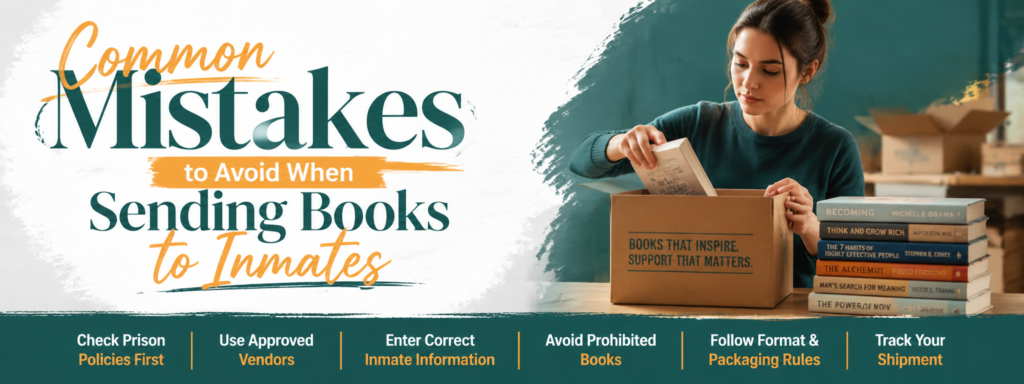
Common Mistakes When Sending Books to Inmates
Many shipments are rejected because of avoidable mistakes.
Common errors include:
- Incorrect inmate information
- Sending books from a personal address
- Ordering prohibited materials
- Sending hardcover books to facilities that only allow paperbacks
- Failing to follow package restrictions
Avoiding these issues can significantly improve success when sending books to inmates.
Benefits of Educational Books for Inmates
Educational materials remain one of the most impactful categories. Learning opportunities can help incarcerated individuals gain knowledge, develop job skills, and prepare for successful reintegration into society.
Some highly requested educational categories include:
- Entrepreneurship
- Career training
- Personal finance
- Business development
- Language learning
- Vocational education
Sending books to inmates promote education can help create positive opportunities both during incarceration and after release.
Frequently Asked Questions
Can I send books directly from my home?
Many facilities require books through approved retailers or publishers rather than personal shipments.
Are hardcover books allowed?
Policies vary by institution. Always verify facility rules before sending books to inmates.
Can inmates receive used books?
Some facilities allow used books, while others only accept new books purchased from approved vendors.
How many books can an inmate receive?
Book limits differ by facility. Check institutional regulations before sending books to inmates.
What books are prohibited?
Materials containing prohibited content or posing security concerns may be rejected.
Best Practices for Sending Books to Inmates
To maximize delivery success:
- Review facility regulations carefully.
- Verify inmate information.
- Use approved bookstores and publishers.
- Select appropriate reading materials.
- Retain order confirmation records.
- Monitor shipment tracking.
Following these guidelines can make sending books to inmates a smooth and successful experience.
Contact Us
If you have any other questions or queries related to our services, feel free to contact us at:
- Phone: (708) 856-0657
- Email: info@correctionsbookstore.com
- Website: sendingbookstoinmates.com
We’re here to serve you.
Conclusion
Sending books to inmates is a powerful way to provide education, encouragement, and meaningful support. Books help incarcerated individuals develop knowledge, improve literacy, pursue personal growth, and prepare for life after release.
By understanding facility policies, selecting approved materials, and following the correct procedures, books can become a valuable tool for rehabilitation and positive change. Whether you are sending educational resources, self-help materials, religious texts, or recreational reading, your efforts can make a lasting difference in someone’s life.
If you are looking for a trusted source for inmate book delivery, Sending Books to Inmates is dedicated to helping you find appropriate books and navigate correctional facility requirements with confidence.