
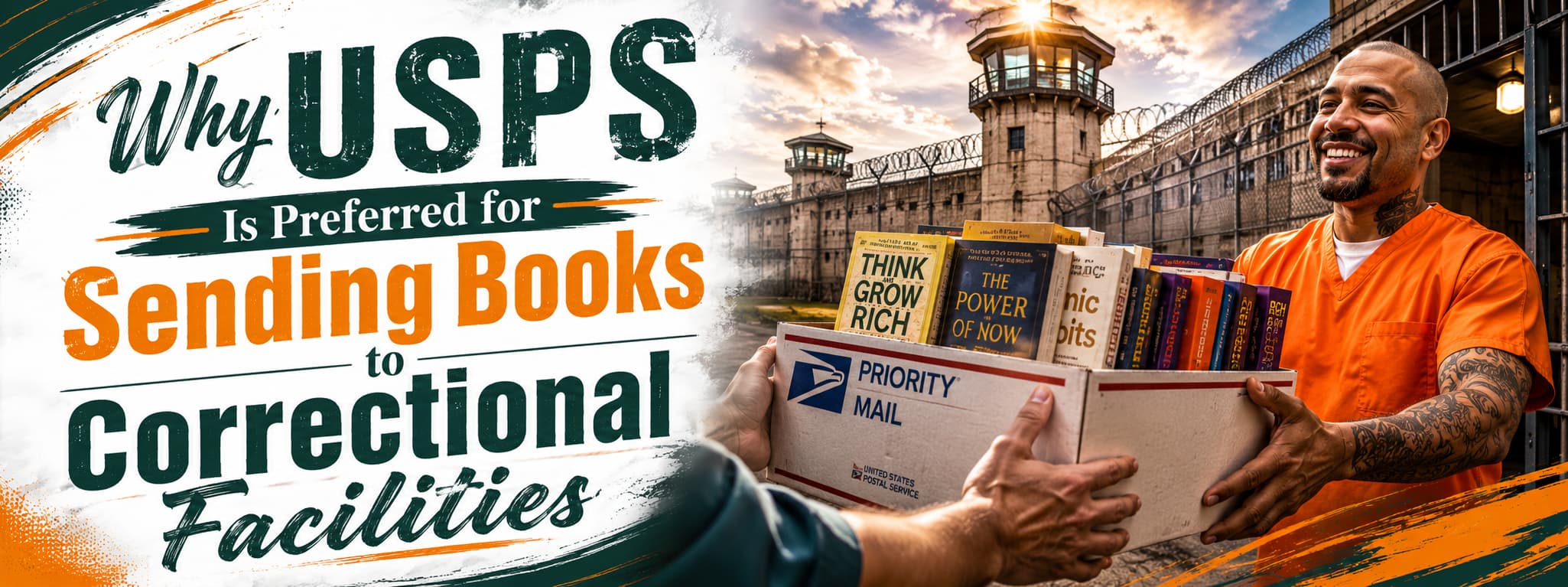
When families, friends, and organizations are sending books to correctional facilities, choosing the right shipping method is an important part of ensuring successful delivery. Correctional institutions have strict mail procedures, and using a reliable shipping service can help reduce delays, complications, and rejected packages. USPS is one of the most commonly used shipping options for sending books to correctional facilities because of its accessibility, nationwide coverage, and ability to deliver to correctional institutions across the United States. Understanding why USPS is preferred can help families make informed decisions and improve the success of their book deliveries. Why USPS Is Commonly Used for Correctional Book Deliveries 1. USPS Delivers Nationwide One of the biggest advantages of USPS for sending books to correctional facilities is its extensive delivery network. Correctional facilities are located throughout the country, including: Because USPS serves nearly every address in the United States, it provides convenient access for families sending books to correctional facilities regardless of location. 2. USPS Understands Correctional Mail Requirements Correctional facilities have specific mailroom procedures, and USPS is familiar with delivering mail to institutional addresses. When sending books to correctional facilities, proper addressing is essential. Packages typically require: Following these requirements improves delivery success. 3. USPS Provides Reliable Tracking Options Tracking is an important feature when sending books to correctional facilities. USPS tracking helps senders: Having tracking information provides peace of mind when sending books to correctional facilities. 4. USPS Is Accessible for Families and Friends Another reason USPS is preferred for sending books to correctional facilities is accessibility. Many people already have access to: This makes the process easier for families who may be sending books to correctional facilities for the first time. 5. USPS Supports Delivery to Correctional Addresses Correctional facilities often have unique mailing addresses and internal mail systems. USPS is commonly used because it can deliver to many institutional addresses where other delivery options may have limitations. Before sending books to correctional facilities, always verify the facility’s accepted delivery methods. USPS Mailing Requirements for Correctional Facilities When using USPS for sending books to correctional facilities, accuracy is extremely important. Include Correct Inmate Information Always provide: Incorrect details can cause delays or failed delivery. Follow Facility Packaging Rules Each correctional facility may have different requirements. Before sending books to correctional facilities, check: Following these rules helps prevent rejection. Use Approved Sources When Required Many facilities require books to be shipped directly from approved vendors. When sending books to correctional facilities, avoid sending books from personal addresses unless the facility specifically allows it. USPS vs Other Shipping Options While other carriers may offer delivery services, USPS remains popular for correctional deliveries because of its compatibility with many institutional mail systems. Factors that make USPS preferred include: The best shipping choice depends on the facility’s specific rules. Common Mistakes When Using USPS for Book Deliveries Even when using USPS, mistakes can affect successful delivery. Avoid these common issues when sending books to correctional facilities: Proper preparation is essential for successful delivery. Sending Books to Inmates Sending Books to Inmates helps families and friends simplify the process of sending books to inmates by providing access to approved reading materials and guidance for correctional facility requirements. By following proper shipping procedures and facility guidelines, users can make sending books to correctional facilities easier, more reliable, and less stressful. How to Improve Delivery Success To make sending books to correctional facilities easier: Check Facility Rules First Always review current requirements before shipping. Resources like Prison Book Policies can help identify important restrictions. Prison Book Policies Prison Book Policies helps users understand facility-specific rules before sending books to correctional facilities. Different prisons may have different requirements regarding: Reviewing these policies before shipping helps ensure that books follow facility guidelines. Choose Approved Books Select books that meet facility guidelines. Popular categories include: Verify Compliance Before Shipping Using tools like Book Policy Guard can help confirm that selected books meet facility requirements. Book Policy Guard Book Policy Guard is a compliance tool available through SureShot Books that helps verify whether books meet correctional facility requirements before shipment. It helps support sending books to correctional facilities by checking: Using Book Policy Guard can reduce the chances of rejected book deliveries. Why Proper Shipping Matters The goal of sending books to correctional facilities is to provide education, encouragement, and meaningful support. Proper shipping helps ensure: A reliable shipping process makes the experience more successful for everyone involved. Contact Us If you have any other questions or queries related to our services, feel free to contact us at: We’re here to serve you. Conclusion USPS is widely preferred for sending books to correctional facilities because of its nationwide coverage, accessibility, and compatibility with correctional mail systems. However, successful delivery depends on more than choosing a shipping provider. Families and friends must also follow facility rules, provide accurate inmate information, and select approved books. By using trusted resources like Sending Books to Inmates, reviewing Prison Book Policies, and verifying requirements through Book Policy Guard, sending books to correctional facilities becomes easier, safer, and more reliable. A properly delivered book can provide education, motivation, and hope to someone who needs it most.

Sending Books to Inmates: Rules, Restrictions, and Best Practices
Learn the rules, restrictions, and best practices for sending books to inmates, including prison policies, approved vendors, and compliance guidelines.
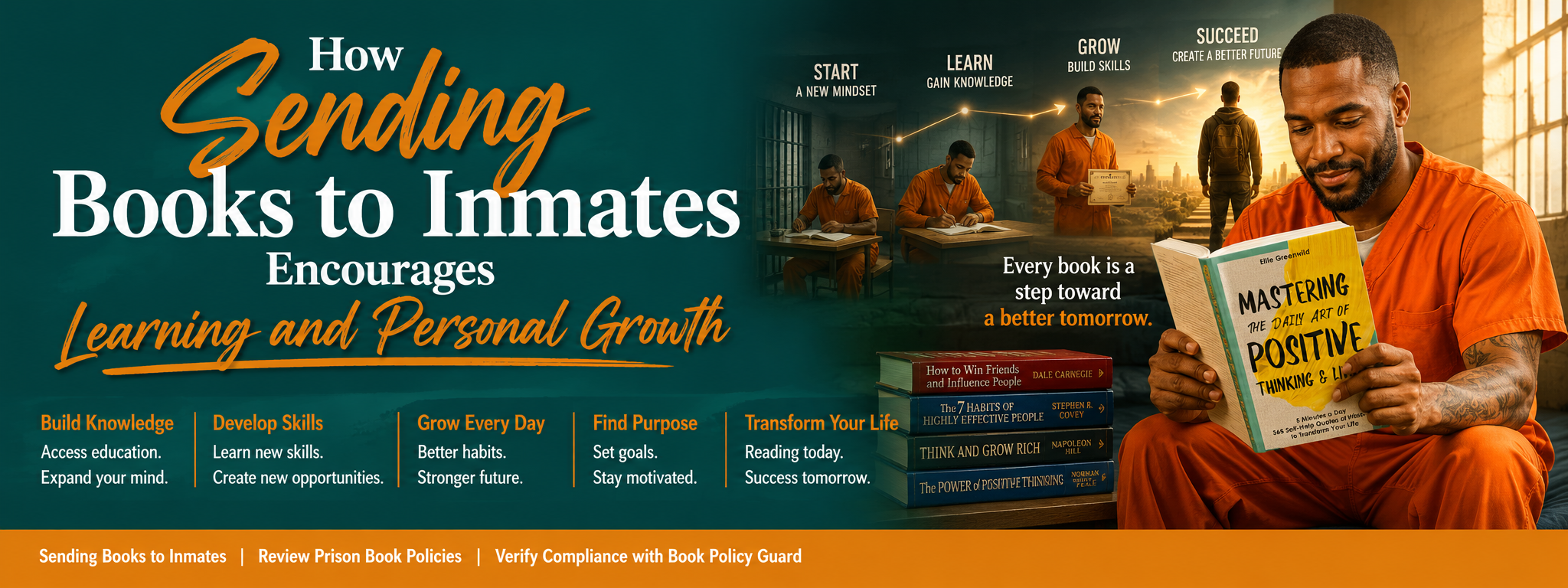
How Sending Books to Inmates Encourages Learning and Personal Growth
Learn how sending books to inmates encourages learning, skill development, rehabilitation, and personal growth through education and reading programs.

The Role of Reading in Rehabilitation and Sending Books to Inmates
Learn how reading supports rehabilitation and how sending books to inmates helps reduce recidivism, build skills, and support personal transformation.

How Books Can Change Lives: The Importance of Sending Books to Inmates
Discover how sending books to inmates can change lives by improving education, mental health, rehabilitation, and emotional well-being through reading.
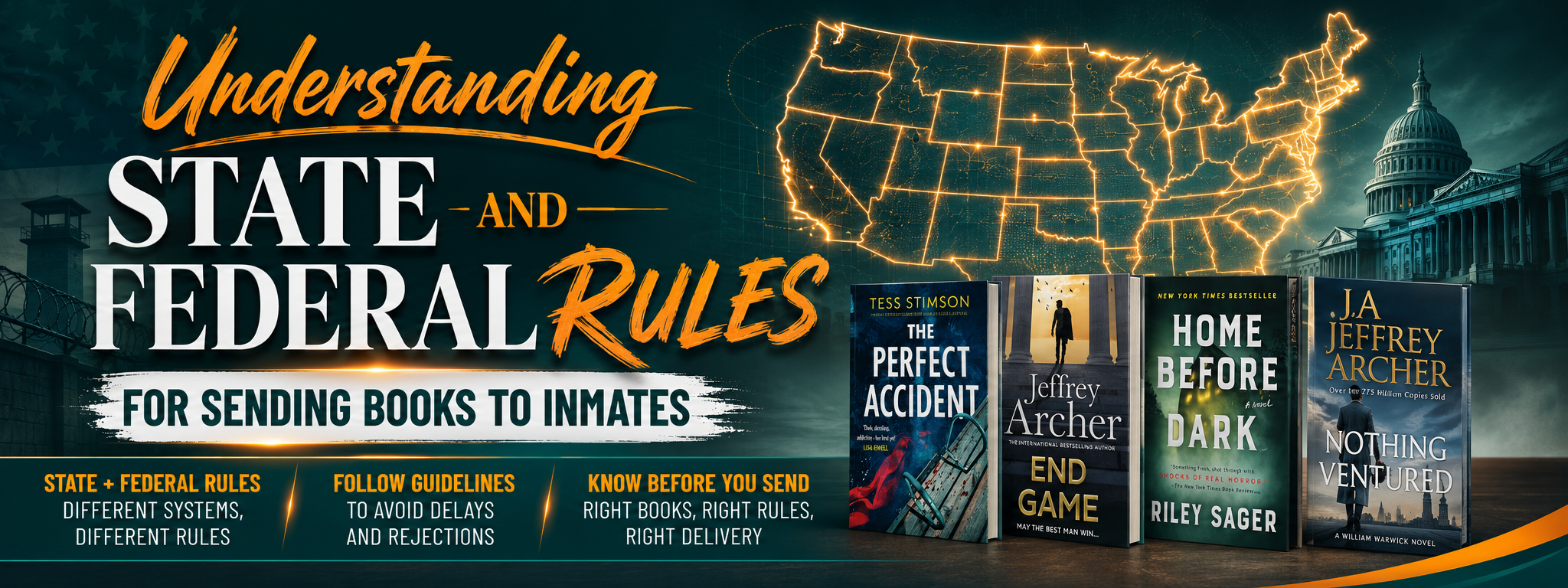
Understanding State and Federal Rules for Sending Books to Inmates
Learn the differences between state and federal rules for sending books to inmates, including approved vendors, mail policies, and prison book regulations.
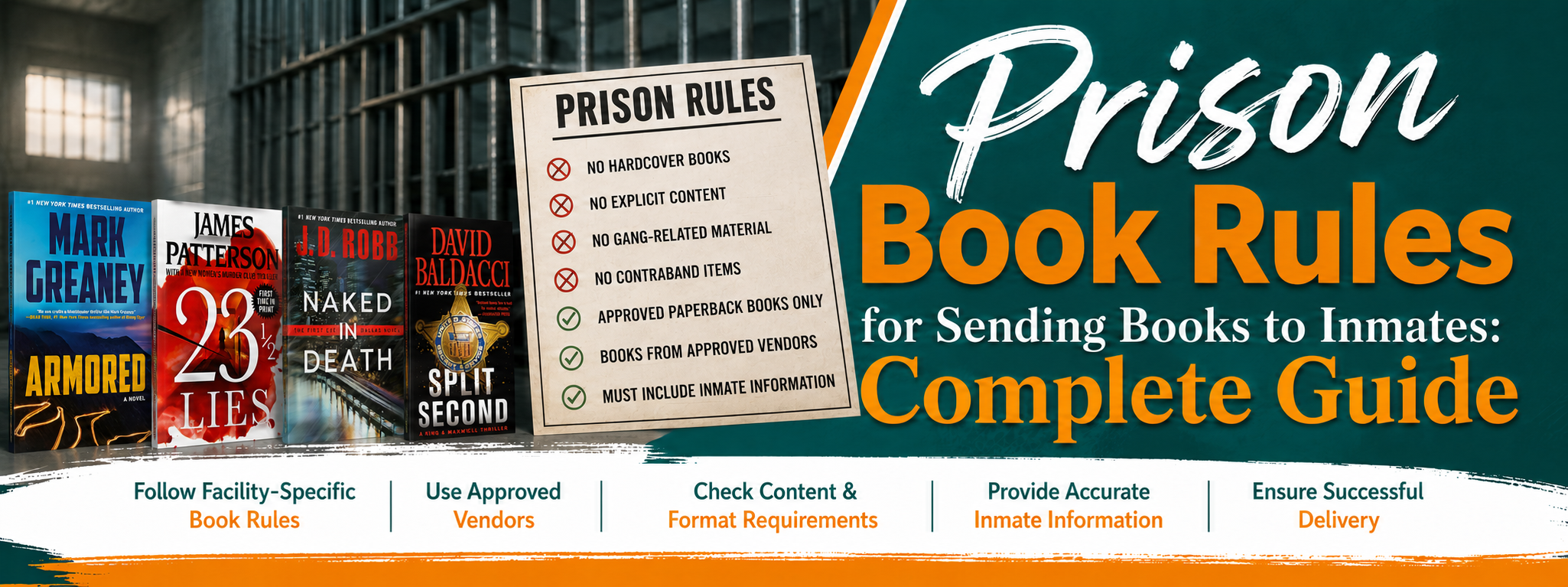
Prison Book Rules for Sending Books to Inmates: Complete Guide
Learn prison book rules for sending books to inmates, including approved vendors, book restrictions, mailing requirements, and compliance tips.
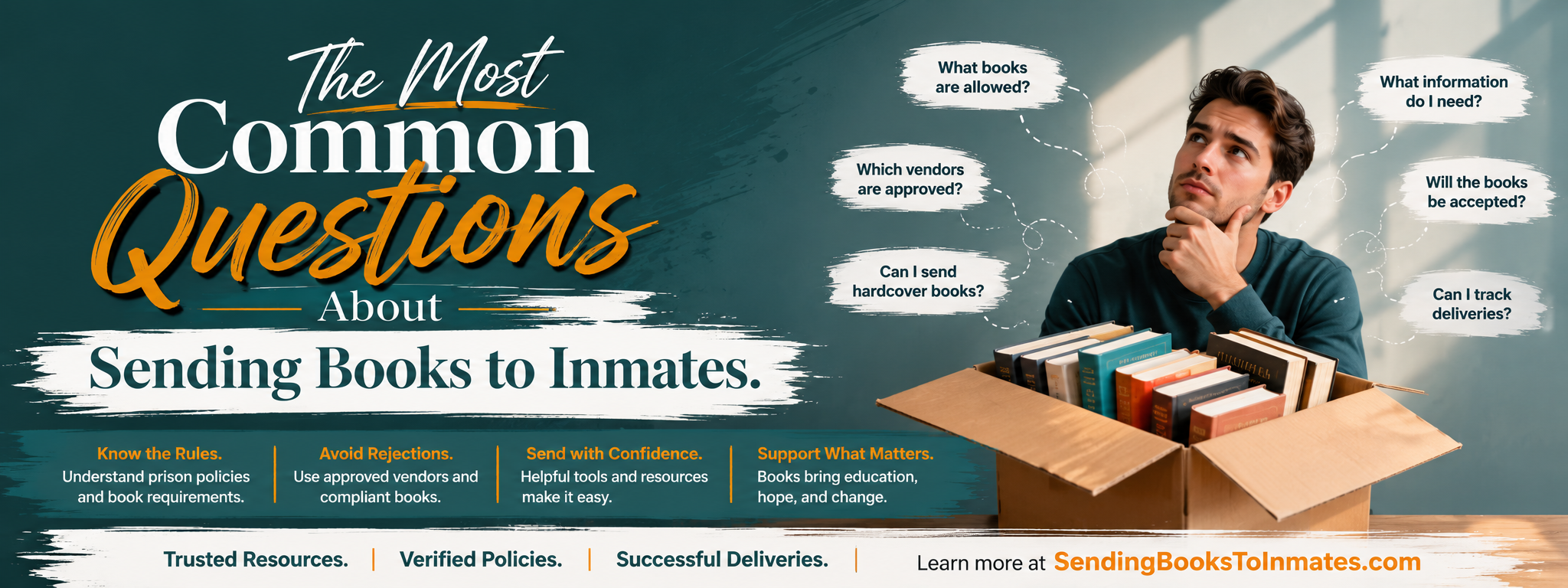
The Most Common Questions About Sending Books to Inmates
Get answers to the most common questions about sending books to inmates, including rules, restrictions, approved vendors, and prison book policies.

The Emotional Benefits of Sending Books to Inmates
Discover the emotional benefits of sending books to inmates, including stress relief, hope, connection, motivation, and mental well-being through reading.
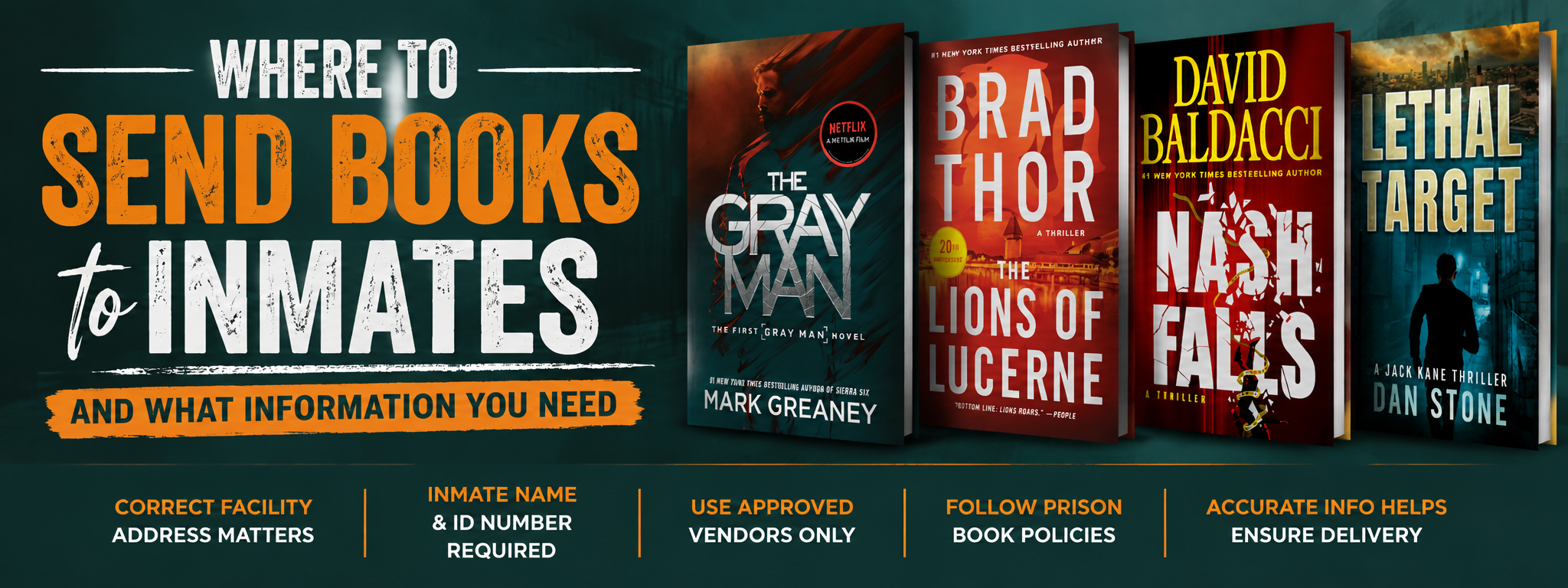
Where to Send Books to Inmates and What Information You Need
Learn where to send books to inmates and what information you need, including mailing addresses, inmate details, prison policies, and approved book delivery rules.
